7 Must-Have Features in a Modern Vaccine Management System
 Iron Bridge
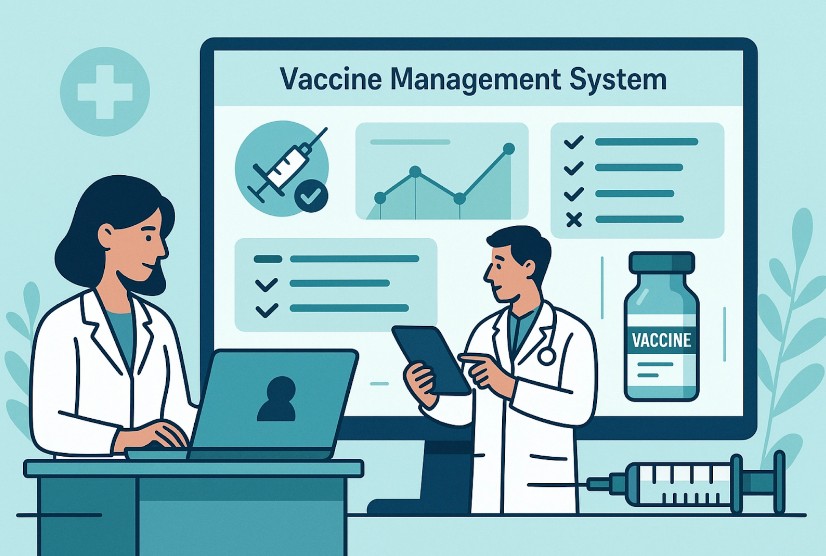
Selecting the right vaccine management system can determine whether your healthcare facility operates efficiently or struggles with compliance gaps and costly inventory losses. Each year, healthcare organizations lose millions of dollars to expired vaccines, regulatory penalties, and operational disruptions caused by inadequate management technology.
This evaluation checklist outlines the seven essential features your vaccine management system must include to ensure regulatory compliance, reduce waste, and streamline operations. Each capability directly impacts your ability to maintain vaccine potency, meet reporting requirements, and serve patients effectively.
1. Real-Time Inventory Tracking and Management
Vaccine management systems like IronBridge's Pub Hub Vaccine Management platform should provide comprehensive inventory tracking that extends far beyond basic stock counts. It must deliver instant visibility into every vaccine vial in your facility, including lot numbers, NDC codes, and precise quantities across multiple storage locations.
Effective tracking eliminates manual counting errors and reduces the risk of stockouts during critical vaccination periods. Inventory levels should update automatically as vaccines move through receiving, storage, administration, and disposal.
Key Inventory Tracking Capabilities
Look for systems that offer:
- Barcode or RFID scanning for immediate vaccine identification
- Multi-location inventory management across refrigerators and freezers
- Automated reorder alerts based on usage patterns
- Real-time dose-level tracking for multi-dose vials
- Integration with purchasing systems for efficient ordering
Advanced systems also include predictive analytics that analyze historical usage trends to forecast future needs. This prevents both overstocking and shortages that can compromise patient care and financial performance.
2. Automated Expiration Date Monitoring and Alerts
Expiration management is one of the most expensive challenges in vaccine administration. Your system must actively monitor manufacturer expiration dates and beyond-use dates for every product in inventory, issuing progressive alerts as deadlines approach.
The system should clearly distinguish between manufacturer expiration dates and beyond-use dates for reconstituted or opened multi-dose vials. Once opened, these vaccines often have shorter usable timeframes than the printed expiration date.
Configure alerts at multiple intervals, typically 90, 60, 30, and 7 days before expiration. Notifications should reach staff through multiple channels, including email, SMS, and in-system dashboards. Priority alerts for vaccines expiring within 30 days help teams implement first-expiry-first-out protocols effectively.
More advanced platforms may also recommend redistribution options for soon-to-expire inventory, connecting your facility with others that can use the vaccines before they expire.
3. Comprehensive Automated Reporting Functions
Regulatory compliance depends on accurate and timely reporting to state immunization registries and federal programs, as recommended by the CDC. Your vaccine management system should generate required reports in real time, eliminating hours of manual data entry and minimizing reporting errors.
The system should support standard reporting formats, including:
- State immunization information system reports
- Vaccines for Children program reports
- Monthly inventory reconciliation reports
- Temperature excursion documentation
- Waste and return reports with detailed reason codes
Customizable Reporting Dashboards
Beyond compliance reporting, the system should provide customizable dashboards displaying key performance indicators. Metrics such as inventory turnover rates, waste percentages, and storage capacity utilization should update automatically through visual dashboards.
Export options should include PDF, Excel, and CSV formats for sharing with stakeholders or integrating with other systems. Automated scheduling of report generation and distribution ensures decision-makers receive timely information without manual intervention.
4. Advanced Cold Chain Monitoring Integration
Temperature monitoring is the foundation of vaccine viability. Your vaccine management system must integrate seamlessly with digital data loggers that continuously monitor storage unit temperatures and support CDC-compliant monitoring standards.
The system should capture temperature readings at least every 30 minutes for refrigerators and every 15 minutes for freezers. Real-time alerts must notify staff immediately when temperatures move outside acceptable ranges, enabling rapid intervention before potency is compromised.
Temperature Excursion Management
When temperature excursions occur, the system should automatically document event duration, affected inventory, and maximum and minimum temperatures reached. This documentation is critical for determining vaccine viability and satisfying regulatory requirements.
Integration should also include:
- Automated excursion reports with vaccine stability data
- Direct access to manufacturer stability guidance
- Quarantine workflows for affected vaccines
- Documentation of corrective actions
5. Seamless System Interoperability
A vaccine management system cannot operate in isolation. It must integrate with electronic health records, practice management platforms, and state immunization registries using platforms like Pub Hub Data Integration to eliminate duplicate data entry and ensure accuracy.
Bidirectional data exchange ensures that vaccine administrations recorded in the EHR automatically update inventory levels in the management system. Patient eligibility verification, insurance checks, and immunization history should flow seamlessly between systems.
Support for healthcare data exchange standards, including HL7, FHIR, and REST APIs, ensures compatibility with existing platforms and flexibility for future integrations.
6. User Access Controls and Security Features
Because vaccine management systems handle sensitive data, robust security controls are essential. Role-based access permissions should ensure that staff access only the functions necessary for their responsibilities.
Multi-level permissions help separate administrative capabilities from day-to-day operational tasks. Vaccine coordinators may require full system access, while clinical staff may need administration recording functionality only. Detailed audit logs should track user activity to support compliance audits and accountability.
Security Best Practices
Your system should include:
- Multi-factor authentication
- Encrypted data transmission and storage
- Automated backups with tested restoration procedures
- Session timeouts for inactive users
- Strong password policies with regular updates
If patient information is stored or transmitted, confirm that the vendor meets HIPAA requirements, provides a Business Associate Agreement, and maintains current security certifications.
7. Mobile Accessibility and Cloud-Based Architecture
Modern vaccine management demands flexibility. Cloud-based systems allow staff to access critical information from main clinics, satellite offices, or mobile vaccination sites.
Cloud architecture reduces the burden of local server maintenance, software updates, and data backups. Authorized users can access the platform from any internet-connected device, enabling centralized oversight across multiple locations.
Mobile applications should offer full functionality, not limited viewing access. Staff conducting off-site clinics must be able to record administrations, check inventory, and receive temperature alerts in real time.
Vaccine Management System Must-Haves
Implementing a robust vaccine management system protects your vaccine supply, strengthens regulatory compliance, and improves operational efficiency. The features outlined above represent foundational requirements, not optional enhancements.
Evaluate prospective systems against these criteria, request demonstrations tailored to your workflows, and verify vendor references from comparable healthcare facilities. The right solution transforms vaccine management from a compliance obligation into a streamlined operational advantage.
IronBridge Corp specializes in healthcare technology solutions designed to address these challenges. Our team helps healthcare organizations evaluate, select, and implement vaccine management systems that meet current requirements and scale for future growth.
Contact us to discuss how modern vaccine management technology can elevate your immunization program.
Frequently Asked Questions
What is the typical ROI timeline for implementing a vaccine management system?
Most healthcare facilities recover their investment within 12 to 18 months through reduced vaccine waste, improved billing accuracy, and lower labor costs. Organizations managing more than $100,000 in annual vaccine inventory often see returns within the first year.
How long does implementation take?
Timelines vary based on system complexity and facility size. Single-location practices can often be implemented within 2 to 4 weeks. Multi-location health systems may require 8 to 12 weeks, including integration and staff training.
Can vaccine management systems handle both routine and pandemic vaccines?
Yes. Modern systems accommodate routine childhood vaccines, seasonal influenza vaccines, and emergency-use products. They should also support varying storage and reporting requirements across vaccine types.
What training and support should vendors provide?
Comprehensive support should include initial configuration, staff training, ongoing technical assistance, and regular system updates. During implementation, 24/7 support is ideal, followed by business-hours support once the system is fully operational.