Electronic Data Systems: Explore Functions and Benefits
 Iron Bridge
`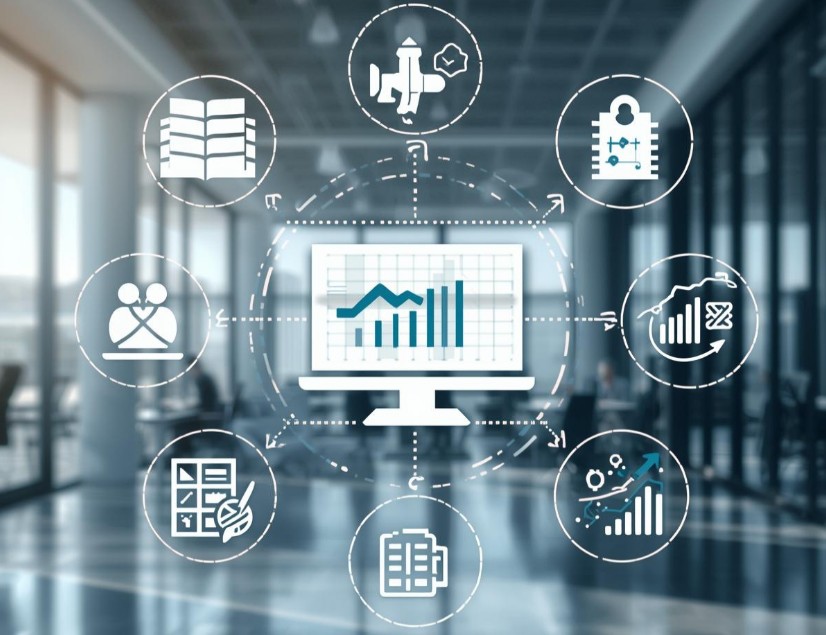
Electronic data systems have transformed how organizations capture, process, and utilize information across every industry sector. These sophisticated platforms serve as the digital backbone of modern enterprises, enabling seamless data management, storage, and analysis at scale.
From healthcare facilities managing patient records to multinational corporations coordinating global operations, electronic data systems provide the infrastructure necessary for informed decision-making and operational excellence.
Organizations that implement robust electronic data systems typically experience 40% to 60% improvements in operational efficiency within the first year. These gains result from the system's ability to eliminate manual processes, reduce errors, and provide instant access to critical information.
Understanding Electronic Data Systems Architecture
Electronic data systems represent comprehensive technological frameworks designed to manage large volumes of information through integrated software and hardware components. These systems extend beyond simple data storage by incorporating advanced processing capabilities, security protocols, and analytical tools that work together to deliver robust data management solutions.
The architecture typically consists of three main layers that operate seamlessly:
- Data Layer: Stores structured and unstructured information in optimized databases, serving as the foundation for all data operations.
- Application Layer: Processes requests and manages business logic, acting as the intelligent engine that interprets and executes commands.
- Presentation Layer: Delivers information through user-friendly interfaces, ensuring users can easily access and interact with the system regardless of technical expertise.
Modern electronic data systems leverage cloud computing, artificial intelligence, and machine learning to enhance their capabilities. This technological convergence enables organizations to process millions of transactions daily while maintaining data integrity and accessibility.
The integration of these advanced technologies creates systems that not only store and retrieve data but also learn from patterns, predict trends, and continuously optimize performance.
Key Functions and Core Capabilities
Data Collection and Input Management
Electronic data systems excel at gathering information from multiple sources simultaneously. They support various input methods, including manual entry, automated sensors, API integrations, and batch uploads. This versatility ensures comprehensive data capture across all organizational touchpoints.
These systems validate information in real time, flagging inconsistencies and preventing duplicate entries. Advanced algorithms assess data quality, ensuring accuracy before storage and processing.
Storage and Database Management
These systems utilize sophisticated database architectures to organize information efficiently. They employ both relational and nonrelational databases, selecting the optimal structure based on data types and usage patterns.
Storage solutions include on-premise servers for sensitive information that requires maximum control, providing organizations with complete oversight of their most critical data. Cloud storage offers unparalleled scalability and remote access capabilities, allowing businesses to expand storage capacity instantly while enabling global accessibility.
Many organizations adopt hybrid models that combine both approaches, achieving greater flexibility by keeping sensitive data on-premises while leveraging cloud capabilities for less critical information.
Data Integration: Breaking Down Information Silos
Electronic data systems excel at connecting disparate information sources across organizations, creating unified platforms where all departments can access consistent, up-to-date information.
Through real-time synchronization across a wide range of software applications, these systems ensure that changes made in one area are immediately reflected throughout the organization. They implement standardized data formats that promote compatibility across different systems, eliminating traditional barriers that once prevented different departments from sharing information efficiently.
Integration capabilities extend further through automated data mapping, which reduces manual configuration requirements and accelerates system connectivity. API management features facilitate third-party integrations, enabling organizations to connect seamlessly with external partners, vendors, and service providers. This comprehensive integration approach transforms fragmented data environments into cohesive, interconnected ecosystems where information flows freely and efficiently.
Healthcare organizations particularly benefit from these capabilities, as electronic data systems connect laboratory systems, imaging departments, pharmacy databases, and billing platforms into unified networks. This integration ensures clinicians have instant access to complete patient information, improving care quality and reducing the likelihood of medical errors.
By enabling seamless connectivity among healthcare systems, organizations can eliminate dangerous information gaps and ensure that providers have a comprehensive patient view when making critical care decisions.
Workflow Optimization and Process Automation
Electronic data systems transform business processes by automating repetitive tasks and unifying workflows. They analyze existing procedures, identify bottlenecks, and implement optimized pathways that significantly reduce processing times.
- Intelligent Task Routing: These systems automatically route tasks to the appropriate personnel based on purposeful rules and current workloads. Intelligent routing minimizes delays and ensures effective resource utilization.
- Process Monitoring and Alerts: Real-time monitoring tracks workflow progress and sends alerts when intervention is required. Managers receive notifications about delays, errors, or unusual patterns that warrant attention.
Organizations that implement workflow optimization through electronic data systems report average productivity gains of 35%. These improvements result from reduced manual handling, fewer errors, and faster processing times.
Real-Time Reporting and Analytics Capabilities
Modern electronic data systems provide powerful analytical tools that transform raw data into actionable insights. These platforms generate comprehensive reports instantly, enabling data-driven decision-making at every organizational level.
- Dashboard Customization: Users can create personalized dashboards that display key performance indicators relevant to their roles. Sales managers track revenue metrics, while operations teams monitor production efficiency, all within the same system.
- Predictive Analytics: Advanced algorithms analyze historical patterns to anticipate future trends. Organizations can predict demand fluctuations, identify potential equipment failures, and forecast market changes before they occur.
The implementation of real-time analytics has become essential for maintaining a competitive advantage in rapidly evolving markets.
Sector-Specific Benefits and Applications
Healthcare Transformation
Electronic data systems are transforming healthcare delivery by enhancing care coordination and strengthening clinical decision support, fundamentally changing how medical professionals access and use patient information. These systems provide instant access to complete medical histories, enabling healthcare providers to make informed decisions based on comprehensive data, regardless of where or when the patients received prior care.
Automated prescription verification capabilities identify potential drug interactions before medications are dispensed, preventing harmful combinations and improving patient safety.
Through population health management features that aggregate and analyze data across patient populations, healthcare organizations can identify trends, predict outbreaks, and implement preventive care strategies more effectively. These systems also streamline insurance processing and billing operations, reducing administrative burdens and accelerating reimbursement cycles.
Hospitals that implement comprehensive electronic data systems report reductions in medication errors of up to 85% and decreases in average patient stay durations of approximately 20%. These measurable outcomes demonstrate the tangible impact of these technologies on both patient outcomes and operational efficiency.
Business Operations Enhancement
Commercial enterprises leverage electronic data systems to transform operations across multiple dimensions, from supply chain optimization to customer relationship management. These systems provide integrated platforms that align financial reporting with compliance requirements, ensuring regulatory adherence while delivering real-time visibility into financial performance.
Human resource management becomes more efficient as electronic data systems automate payroll processing, track employee performance, and manage benefits administration through unified interfaces.
Supply chain optimization capabilities enable businesses to monitor inventory levels, anticipate demand patterns, and coordinate with suppliers automatically, reducing waste and improving operational efficiency.
Customer relationship management features consolidate interactions across all channels, equipping sales and service teams with complete customer histories that enhance service quality and generate new revenue opportunities.
Retail organizations particularly benefit from integrated inventory management capabilities. Electronic data systems track stock levels across multiple locations, automate reordering processes, and optimize distribution routes to reduce costs while maintaining product availability.
Implementation Considerations and Best Practices
Successful deployment requires careful planning and systematic execution. Organizations must assess existing infrastructure, identify integration requirements, and develop comprehensive migration strategies.
Security and Compliance Requirements
Electronic data systems must incorporate robust security measures that protect sensitive information from both external threats and internal vulnerabilities.
Encryption technologies safeguard data whether it is stored in databases or transmitted across networks, ensuring that even if unauthorized access occurs, the information remains unreadable and protected.
Access control mechanisms limit information availability based on user roles and responsibilities, implementing the principle of least privilege, under which users access only the data necessary for their specific functions.
Comprehensive audit trails track all system activities, creating permanent records of who accessed what information and when, supporting both security monitoring and compliance documentation.
Compliance tools help ensure adherence to industry regulations such as HIPAA for healthcare, GDPR for data privacy, and SOX for financial reporting.
Together, these features create multilayered security architectures that protect against evolving cyber threats while maintaining the accessibility and usability organizations require for efficient operations.
The importance of cybersecurity in data management continues to grow as threats become more sophisticated and breaches increasingly costly, both financially and reputationally.
Training and Change Management
Successful implementation depends on strong user adoption. Organizations must invest in comprehensive training programs to ensure staff understand system capabilities and follow established best practices.
Future Trends Shaping Electronic Data Systems
Emerging technologies continue to enhance the capabilities of electronic data systems. Artificial intelligence integration enables more sophisticated automation and decision support, while blockchain technology offers the potential for improved data security and transparency.
The evolution of quantum computing may dramatically increase data processing speeds, enabling the analysis of previously unmanageable datasets.
Internet of Things (IoT) integration expands data collection capabilities. Smart sensors deployed throughout facilities generate continuous streams of operational data, creating new opportunities for real-time monitoring and optimization.
Conclusion
Electronic data systems represent essential infrastructure for modern organizations pursuing operational excellence and sustainable competitive advantage. Their comprehensive capabilities in data management, integration, and analytics are transforming how businesses and healthcare providers operate.
As technology continues to advance, these systems will become even more powerful, creating new opportunities for innovation and efficiency.
Organizations ready to leverage the full potential of electronic data systems should partner with experienced providers that understand both advanced technologies and industry-specific requirements. IronBridgeCorp specializes in implementing customized electronic data systems aligned with each organization's unique operational needs and strategic objectives.
Contact our team today to learn how we can enhance your data management capabilities and drive measurable business results.
Frequently Asked Questions
What is the difference between electronic data systems and traditional filing systems?
Electronic data systems provide automated processing, instant retrieval, advanced search capabilities, and real-time information sharing across locations. Traditional filing systems require manual handling, require physical storage space, and do not support simultaneous access or automated analysis.
How long does it take to implement an electronic data system?
Implementation timelines vary based on organizational size and complexity. Small businesses may complete basic implementations within 3 to 6 months, while enterprise-level deployments typically require 12 to 18 months for full integration and optimization.
What are the typical costs associated with electronic data systems?
Costs depend on system complexity, user volume, and required features. Cloud-based solutions may start at approximately $10,000 annually for small organizations, while enterprise systems can require investments exceeding $1 million, including hardware, software, and implementation services.
How do electronic data systems ensure data privacy and security?
These systems employ multilayered security measures, including encryption, access controls, authentication protocols, and regular security audits. They adhere to industry standards such as HIPAA for healthcare and SOC 2 for general business operations.
Can electronic data systems integrate with existing software applications?
Yes. Modern electronic data systems are designed for integration compatibility. They use standardized APIs and data exchange protocols to connect with existing applications, ensuring seamless information flow across all organizational tools.
`