Healthcare Data Integration Standards: A Practical Guide To Secure, Interoperable Health Data
 Iron Bridge
 Healthcare data breaches have exposed over 133 million records in recent years, according to a new report, which is a clear sign that secure data exchange is no longer optional. As digital tools become more central to care delivery, the need for reliable and consistent healthcare data integration standards has never been greater. Without them, systems can't communicate effectively, leading to data gaps and delays that affect patient outcomes.
Here at Iron Bridge, we help organizations overcome these challenges. Our cloud-based solutions support EHR vendors, pharmacies,labs, hospitals, and long-term care providers with innovative, secure integration tools. From vaccine reporting to lab data exchange, we ensure healthcare data flows smoothly and securely while supporting an integrated healthcare environment.
In this blog post, we'll walk through the key healthcare data integration standards that shape today's landscape. You'll learn what they are, why they matter, and how Iron Bridge helps clients meet them with ease and confidence. We will also look at how an effective integration strategy can help organizations address the technical, operational, and regulatory demands behind healthcare data exchange. Let's get started.
What Are Healthcare Data Integration Standards?
Essentially, healthcare data integration standards are rules and protocols that allow different healthcare systems to share information accurately and securely. These standards ensure data moves between systems without being lost, misread, or delayed.
For example, when a pharmacy sends vaccine records to a public health registry or a hospital pulls lab results from an external lab, integration standards ensure the data is formatted correctly and understood by both parties. A structured dataset makes that exchange more useful because receiving systems can consistently identify and process expected data elements.
Without these standards, healthcare providers would struggle to communicate across platforms. Each system might use different formats or naming conventions, making the data exchange unreliable. This can lead to slowdowns in care, mistakes, or missing records. These are among the most common integration challenges healthcare organizations must address as they connect a growing number of systems, applications, and external partners.
By following widely accepted integration standards such as FHIR, healthcare organizations can connect faster and more securely. At Iron Bridge, we design our solutions to meet and support these standards, so clients can focus on care, not connectivity issues. Following recognized healthcare data integration standards also gives organizations a more consistent foundation for expanding connections without rebuilding every workflow from scratch.
Why a Clear Healthcare Integration Strategy Matters
 Technology alone does not guarantee that data will move accurately between systems. Successful integration depends on how organizations plan connections, define data requirements, test workflows, protect information, and manage changes over time.
A strong integration strategy helps teams determine which systems need to communicate, what information must move between them, and which standards should guide those exchanges. It can also clarify the regulatory requirements healthcare organizations need to consider when handling sensitive patient information. An effective strategy typically considers:
- Data formats and terminology
- System endpoints and transport methods
- Authentication and access controls
- Data validation and error handling
- Workflow requirements
- Testing and ongoing monitoring
- Public health and regulatory reporting obligations
Effective integration requires coordination between technical teams, healthcare organizations, software vendors, and external partners. Establishing expectations early can reduce unnecessary rework and make future integration initiatives easier to manage.
Organizations can also apply recognized best practices integration teams use throughout planning, implementation, testing, and maintenance. This approach helps ensure that connectivity supports real clinical and operational goals rather than simply creating another technical connection.
How Iron Bridge Simplifies Integration
Here at Iron Bridge, we help healthcare organizations overcome integration challenges with simple, secure, and flexible solutions. Our technology is designed to remove complexity, so providers can focus on care, rather than data management.
A dependable approach to integration that healthcare organizations can use across multiple locations or partners must account for both technical standards and day-to-day workflows. Iron Bridge helps manage these different components within a centralized platform.
Multi-Tenant SaaS Architecture
Iron Bridge uses a multi-tenant SaaS architecture to deliver adaptable and efficient software solutions. This approach allows multiple organizations to use the same secure platform while keeping their data isolated and protected. The result is:
- Faster deployment
- Lower maintenance costs
- Improved system performance
Clients benefit from real-time updates and centralized management without having to install or manage infrastructure themselves. This setup is ideal for businesses of all sizes, from small clinics to nationwide vendors, who need reliable performance across all their facilities. Our cloud-first approach ensures that as your needs grow, our platform grows with you.
This structure also provides organizations with a reliable way to manage information across multiple systems or databases without creating a separate infrastructure for each connection.
Integrate Vaccine and Public Health Reporting
Our Pub Hub Vaccine Management and RapidReport products are designed to simplify immunization and lab reporting.
With Pub Hub, clients can connect quickly and cost-effectively to public health and specialized registries across the U.S. Facilities can enroll easily through an intuitive interface, search for patient histories, and submit data to state Immunization Information Systems (IIS) with dynamic data validation to reduce errors.
Real-time updates through webhooks keep users informed on submission statuses. For laboratories and pharmacies, Pub Hub RapidReport offers no-code reporting and smart automation to ensure accurate, compliant submissions. These tools remove the burden of manual reporting and help clients meet regulatory requirements.
By consistently collecting, validating, and communicating structured information, organizations can also make more data-driven decisions about reporting performance, recurring errors, and workflow improvements.
Secure and Compliant Data Exchange
Security and compliance are at the core of everything we build. Iron Bridge supports seamless OAuth 2.0 authentication for improved user access and security.
We are also SOC 2 Type 2 certified and Drummond-certified for the ONC HIT 2015 Edition standards. This means our clients can trust that their data is managed with the highest level of privacy and integrity.
Whether you're reporting to public health agencies or sharing data across provider networks, our platform ensures secure, compliant exchange every step of the way. This is especially important for clients who deal with sensitive health data daily and need peace of mind.
Modern healthcare requires organizations to consider security alongside interoperability rather than treating the two as separate priorities.
Tailored Solutions and Integration Support
We know that healthcare organizations vary in size, scope, and technical needs. That's why we offer flexible integration solutions for EHR vendors, pharmacies, hospitals, laboratories, and more. As a QHIN OnRamp, we help connect systems to national health information networks. Our team provides guided onboarding, custom data conversion, and flexible integration support. Whether you're managing a few connections or thousands, Iron Bridge ensures a smooth path forward, meaning your team can stay focused on care delivery, not technical hurdles. The right approach can also help organizations coordinate new integration initiatives with existing systems, reporting processes, and organizational priorities, rather than treating each connection as an isolated project.
Connecting Standards, Data Quality, and Healthcare Workflows
 Following a technical specification is only one part of healthcare integration. Systems also need reliable data, appropriate context, and workflows that make exchanged information useful to the people and applications receiving it.
That means healthcare data integration standards work best when organizations consider how information is collected, structured, validated, transmitted, and used throughout the complete workflow.
Consistent Data Across Connected Systems
A receiving application needs to understand the meaning and structure of the information another system sends. Consistency becomes especially important when organizations combine data from multiple EHRs, labs, pharmacies, public health agencies, or other sources into a shared database.
Clearly defined data elements can improve the reliability of each dataset and help reduce inconsistencies between sending and receiving systems. Those foundations support better reporting, analytics, and data-driven decision-making.
Standards Support More Than Connectivity
Healthcare integration standards do more than establish how two systems connect. The standards health IT teams follow can define data structures, terminology, transport methods, and other details that help maintain meaning as information moves across organizational boundaries.
In a complex healthcare data environment, organizations may work with many applications, vendors, registries, and endpoints at once. Consistent standards help reduce variation and make those relationships easier to manage. At the same time, standards cannot solve every workflow issue on their own. Successful integration also requires testing, monitoring, governance, and cooperation among the organizations involved.
Real-World Applications and Benefits
Our solutions are built for the real-world demands of healthcare. From daily reporting tasks to long-term integration strategies, our platform helps clients meet goals faster, reduce risk, and simplify operations. Let's take a look at some real-world applications here.
Simplifying State and Federal Reporting
Reporting to public health agencies can be a complex, time-consuming task. At Iron Bridge, we eliminate these challenges with our Pub Hub and RapidReport solutions. Healthcare providers can easily connect to immunization registries and other public health endpoints via a centralized interface.
We manage the connection logic and ongoing maintenance, so users don't have to worry about the technical complexities. So, for example, if you're a pharmacy submitting vaccine data or a lab sending test results to state agencies, our platform simplifies the entire process.
Real-time webhooks, intelligent automation, and detailed feedback help minimize errors and delays. This reduces the administrative burden and ensures compliance with both state and federal reporting requirements, all while improving efficiency.
These capabilities can become particularly valuable as reporting requirements healthcare organizations face continue to change across jurisdictions, programs, and data types.
Supporting EHR Vendors, Labs, Pharmacies, and More
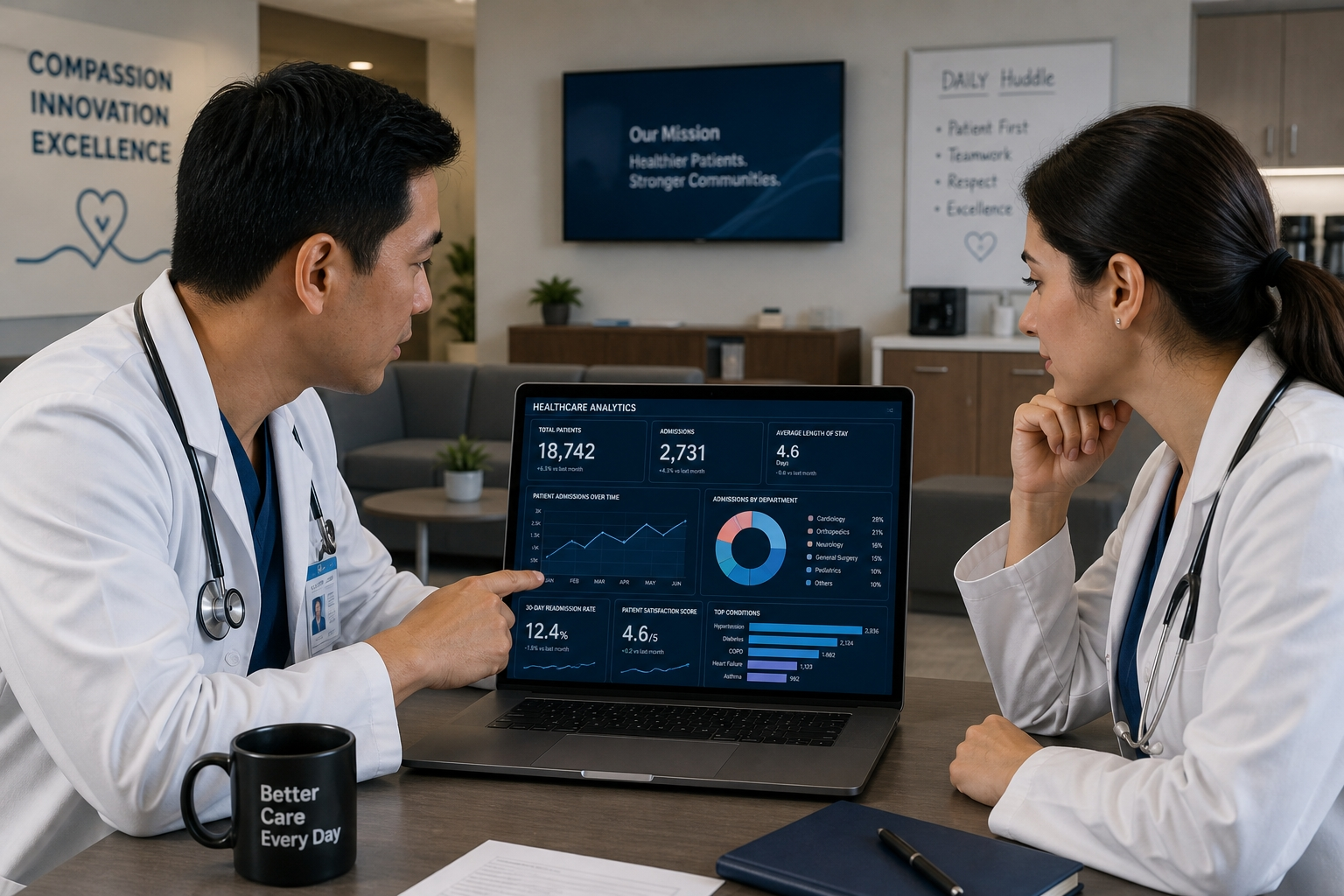 We partner with a wide range of healthcare organizations, including EHR vendors, clinical laboratories, pharmacies, hospitals, and public health agencies. Each client type has unique needs, and our platform adapts to serve them.
For example, EHR companies use Iron Bridge to quickly scale their integration capabilities without building custom solutions for each registry. Pharmacies rely on us to ensure accurate, compliant vaccine submissions from multiple retail locations.
Labs use our RapidReport platform to report results seamlessly, even without technical integration. Public health departments benefit from receiving structured, validated data that meets their format and transport standards. So, for any user, Iron Bridge helps teams move faster and integrate smarter.
This flexibility supports a more integrated healthcare ecosystem in which information can move between organizations while preserving the structure and context required by receiving systems.
Saving Time, Resources, and Compliance Risk
Time, accuracy, and compliance are critical in healthcare, and our platform helps improve all three. We automate common reporting processes to reduce manual input and free up staff time. Our dynamic validation tools catch issues before they reach the state or federal systems, helping clients avoid rejections and resubmissions.
We also maintain up-to-date knowledge of reporting formats, transport methods, and endpoint requirements across the country. That means less time spent researching specs or updating code. Our secure, cloud-based platform helps organizations scale with ease, maintain compliance with current regulations, and adapt to changes as they happen.
Clients don't have to worry about keeping up with evolving requirements as we handle that for them. The result is a more efficient, more reliable integration experience from start to finish.
Building a Successful Integration Framework
Healthcare organizations often manage many connections simultaneously. Without a clear framework, teams may approach each project differently, increasing maintenance demands and making future changes harder to coordinate.
A repeatable framework gives organizations a clearer path for moving from planning to successful integration.
Define the Purpose of the Connection
Every connection should start with a specific business, clinical, or reporting objective. Teams need to know what information must move, who needs it, and what the receiving system expects.
A clear purpose keeps the integration strategy connected to operational needs rather than treating integration solely as an IT project.
Identify Systems and Data Requirements
Organizations should identify the sending system, receiving system, endpoints, formats, transport protocols, authentication methods, and required data elements. Reviewing the expected dataset early can help teams catch missing or inconsistent information before implementation begins.
Validate and Test Data
Healthcare integration requires more than establishing connectivity. Integration requires confirming that data reaches the correct destination in the correct format and retains its intended meaning.
Testing should cover both successful transactions and errors, so teams understand how the connection behaves when data is incomplete, invalid, duplicated, or rejected.
Plan for Ongoing Changes
Endpoints, specifications, regulations, and business requirements can change. Organizations therefore need an approach to monitor and maintain their connections after launch.
Including maintenance in the original integration strategy can reduce disruption when systems or reporting requirements change later.
How Iron Bridge Drives Innovation in Healthcare Integration
We are proud to be at the forefront of driving innovation in healthcare data integration. Through seamless solutions, advanced technology, and more, Iron Bridge is shaping the future of healthcare data exchange and improving patient care. Let's finish this deep dive by looking at exactly how we are an industry leader in healthcare integration.
Commitment to Seamless Data Exchange
Firstly, Iron Bridge's focus on seamless data exchange is central to its innovation. By ensuring that diverse healthcare systems can communicate with each other, Iron Bridge helps organizations overcome one of the biggest barriers to efficient healthcare delivery: data silos.
Our integration solutions are built with interoperability at their core, allowing healthcare providers to easily exchange information among EHR systems, pharmacies, laboratories, hospitals, and state registries. These solutions are designed to keep pace with the evolving healthcare landscape, providing flexibility and adaptability, so users can easily connect to new networks and platforms.
This focus on seamless connectivity ensures that data flows effortlessly between systems, enhancing the quality of patient care and operational efficiency for healthcare organizations nationwide. It also provides a stronger foundation for future integration initiatives as organizations connect additional applications, networks, and partners.
Adapting to Healthcare's Changing Landscape
The healthcare sector is constantly evolving, with new regulations, technological advances, and patient needs driving change. Iron Bridge stays ahead of the curve by adapting its integration solutions to the changing healthcare landscape.
With regulatory updates such as the U.S. Core Data for Interoperability (USCDI) and the implementation of FHIR (Fast Healthcare Interoperability Resources), we ensure our platform is fully compliant with the latest standards. This proactive approach to regulatory changes means that Iron Bridge clients never have to worry about falling behind.
For example, Iron Bridge's integration solutions are built to adapt to new data formats and privacy requirements, ensuring that healthcare organizations can remain compliant without disrupting their operations. This adaptability helps healthcare providers maintain their focus on patient care while Iron Bridge handles the complexities of data integration.
As standards and regulations change, organizations need systems that can address the new challenges healthcare technology teams face without requiring them to rebuild their entire integration environment.
Harnessing Emerging Technologies for Improved Integration
Iron Bridge is dedicated to leveraging emerging technologies to improve its integration capabilities. By integrating Artificial Intelligence (AI), machine learning, and cloud-based technologies, Iron Bridge is enhancing its solutions to provide smarter, faster, and more accurate data management.
For instance, AI-driven algorithms can help healthcare providers detect trends in health data and anticipate patient needs, making care more proactive and personalized. Cloud-based solutions also allow for more innovative, flexible, and secure integration, enabling healthcare organizations to connect with new data sources and services as they expand.
These technologies also improve data accuracy by reducing human error and offer predictive insights that can help healthcare providers improve patient outcomes. By continually exploring new technological advancements, we ensure our solutions remain at the forefront of innovation and meet the evolving demands of the healthcare sector.
A reliable, structured information environment can also support more data-driven analysis by giving applications access to consistent information collected across connected systems.
Dedicated Research and Development Efforts
Iron Bridge's commitment to innovation is supported by its ongoing investment in research and development (R&D). The company dedicates significant R&D resources to stay ahead of emerging trends in healthcare data integration. By collaborating with healthcare leaders, industry experts, and regulatory bodies, we can anticipate the sector's future needs and integrate those insights into our solutions.
This ongoing development process enables the company to roll out new features and enhancements that improve the efficiency and accuracy of healthcare data exchange. For example, our ability to support complex workflows for different healthcare organizations, from pharmacies to long-term care facilities, demonstrates how R&D is integral to creating customized solutions that meet a wide range of needs.
These efforts also allow us to apply effective practices that integration projects benefit from as technologies, standards, and reporting expectations continue to evolve.
Adaptable Solutions Built for the Future
As the healthcare industry continues to grow, scalability becomes increasingly important. We recognize that healthcare organizations vary greatly in size and needs, which is why our solutions are built to scale.
Our multi-tenant SaaS architecture enables organizations, from small clinics to large hospital systems, to easily adapt their integration capabilities as their needs evolve. This scalability ensures they don't outgrow their integration solutions as they expand, avoiding costly system overhauls.
Iron Bridge's solutions are designed to handle the growing volume and complexity of healthcare data, offering flexibility that enables organizations to scale as their data management needs grow. This future-proofing ensures that our clients can continue to operate efficiently and seamlessly as they grow and adopt new technologies. The ability to expand existing connections also matters because modern healthcare requires organizations to exchange increasingly diverse types of information across a growing number of systems and partners.
Enhancing Healthcare IT Systems for Better Data Integration
The bottom line is that adhering to healthcare data integration standards is essential for improving the efficiency and security of medical data exchange processes across the healthcare industry. At Iron Bridge, we provide innovative solutions that ensure your business remains compliant with clinical data standards while simplifying data integration.
Our tools are designed to enhance interoperability, unify workflows, and empower organizations to make better-informed decisions. By partnering with us, you gain a trusted ally in overcoming integration challenges while securing your data exchange.
A thoughtful integration strategy, consistent data governance, reliable standards, and ongoing maintenance can work together to create an integration environment that supports both current needs and future connections. Organizations that treat these elements as part of one coordinated approach can create a stronger foundation for successful integration across their systems.
If you want to boost your healthcare data processes, contact us today to schedule a demo and see firsthand how our solutions can transform your business. We look forward to speaking with you.