9 Key Benefits of Interoperability in Healthcare Systems
 Iron Bridge
Healthcare organizations across the United States face a difficult balancing act. Leaders must improve patient outcomes while controlling costs and keeping up with changing regulations.
Data plays a central role in that effort. Hospitals, clinics, pharmacies, labs, and public health agencies collect large amounts of patient information every day. Yet many systems still store that data in separate platforms or incompatible formats.
When systems cannot communicate well, teams lose time, duplicate work, and miss important context. That problem affects both care delivery and operations.
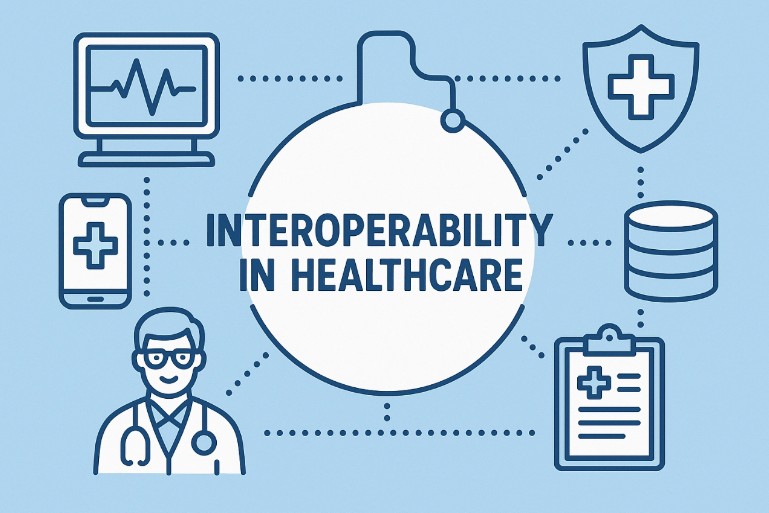
That is why more healthcare leaders are paying attention to the benefits of interoperability in healthcare. Interoperability allows different systems to access, exchange, and use electronic health information across organizations and care settings. With the right standards and infrastructure in place, providers can move data more efficiently and improve how they deliver care.
Below are nine key benefits of interoperability in healthcare and why they matter.
1. Better Care Coordination Across Providers
Most patients receive care from several providers during treatment. A primary care physician may refer a patient to a specialist. That same patient may also visit a hospital, pharmacy, or diagnostic lab.
Each provider needs accurate and timely information to make sound decisions.
Interoperable systems allow authorized clinicians to view patient data across care settings. Providers can review previous diagnoses, medications, and treatment plans before starting new care.
This shared view helps teams stay aligned and reduces the risk of fragmented treatment.
2. Fewer Medical Errors
A study published in the National Center for Biotechnology Information noted that medical errors remain a serious concern across the healthcare industry. Many of these errors happen when clinicians do not have complete information about a patient.
Interoperability improves access to key clinical details such as:
- Medication histories
- Allergy records
- Recent lab results
- Prior procedures
When providers can see the full record, they can verify treatments and avoid dangerous conflicts such as drug interactions.
Better data access does not remove all risk, but it does reduce information gaps that contribute to patient safety issues.
3. More Informed Clinical Decisions
One of the most important benefits of interoperability in healthcare is stronger clinical decision-making.
Clinicians make better decisions when they have a complete view of a patient's health history, which is why platforms like Iron Bridge's Pub Hub Rapid Report electronic lab reporting system are necessary.
Interoperable systems combine information from different encounters and organizations. Providers can quickly review:
- Past diagnoses
- Treatment outcomes
- Imaging reports
- Specialist notes
- Lab results from other facilities
This broader perspective helps clinicians choose treatments that reflect the patient's full medical picture.
4. Faster Access to Patient Records
In many healthcare environments, staff still spend too much time searching across multiple systems for patient records.
Interoperability simplifies that process. Connected systems allow providers to retrieve information from other organizations without manual requests or long delays.
That faster access can make a real difference in urgent situations where time matters.
5. Less Administrative Work
Administrative complexity remains one of the largest drivers of healthcare costs.
Staff often reenter the same patient data in multiple systems or spend hours locating missing records. Interoperable systems reduce that burden by allowing platforms to reuse and share information automatically.
Organizations can also automate processes such as eligibility checks and standardized transactions.
These improvements reduce repetitive tasks and free staff to focus on patient care and operational priorities.
6. Stronger Revenue Cycle Performance
Revenue cycle operations depend on accurate documentation and consistent data.
Interoperability helps clinical systems and billing platforms exchange information more reliably. When patient data moves smoothly between systems, organizations see fewer claim errors and less rework.
Electronic eligibility verification also helps staff confirm coverage earlier in the process.
Each organization will see different results, but many leaders track improvements through lower denial rates and faster claim processing.
7. Lower Operational Costs
Healthcare organizations invest significant resources in maintaining complex technology environments like the Pub Hub Data Integration platform.
Interoperability can help reduce those costs in several ways. Organizations may see savings through:
- Fewer duplicate diagnostic tests
- Less manual data entry
- Reduced reliance on custom integrations
- Improved coordination across departments
Financial outcomes vary depending on the scale of implementation, but many organizations see measurable operational improvements when systems exchange data effectively.
8. Better Population Health Insights
Healthcare providers increasingly rely on data to manage patient populations and identify health trends.
Interoperable systems allow organizations to combine information from multiple sources. Analysts can review population-level data to identify care gaps, track chronic conditions, and monitor health risks across communities.
Public health agencies also benefit when providers share timely information for reporting and surveillance efforts.
These insights support more proactive healthcare strategies.
9. Improved Patient Access to Health Information
Patients expect convenient digital access to their health records.
Federal policy continues to encourage this shift by promoting standardized APIs and discouraging information blocking.
When healthcare systems support interoperability, patients can access their records more easily through portals and health applications. They can also share information with new providers when they change care settings.
Greater transparency helps patients stay informed and engaged in their care.
The Role of Standards in Healthcare Interoperability
Standards play a critical role in making interoperability possible.
HL7 developed several widely used healthcare messaging standards. Many organizations still rely on HL7 v2 for operational messaging across clinical systems.
FHIR represents a newer approach that supports modern web-based data exchange and application programming interfaces.
Many healthcare environments operate with a combination of standards. Systems may use HL7 messaging, document-based formats such as CDA, and FHIR-based APIs at the same time.
Standards provide the technical foundation for interoperability. Still, successful data exchange also requires strong governance, consistent implementation, and reliable data quality.
Building a Long-Term Interoperability Strategy
Healthcare interoperability does not happen overnight. Organizations need a clear strategy and long-term commitment.
Successful initiatives often begin with a careful assessment of current integration capabilities. Leaders then identify high-value use cases that deliver measurable improvements.
Key steps often include:
- Evaluating system integration gaps
- Establishing data governance policies
- Involving clinical and operational stakeholders
- Implementing a phased rollout plan
- Monitoring performance metrics
Interoperability works best when organizations treat it as an ongoing capability rather than a one-time technology project.
The Bottom Line
The benefits of interoperability in healthcare go far beyond simple data exchange.
Effective interoperability helps organizations coordinate care, improve clinical decisions, reduce administrative complexity, and support better patient access. It also helps healthcare leaders respond to regulatory pressure and shifting care models with more confidence.
Healthcare organizations that invest in strong interoperability strategies put themselves in a better position to improve performance and meet rising expectations from both providers and patients.
Learn more about efficient interoperability platforms by reaching out to the experts from Iron Bridge Corp.
Frequently Asked Questions
What are the main benefits of interoperability in healthcare?
The main benefits of interoperability in healthcare include better care coordination, fewer medical errors, more informed clinical decisions, lower administrative burden, and improved patient access to health information.
How long does interoperability implementation take?
Implementation timelines vary widely. Legacy systems, organizational priorities, and governance models all influence the schedule. Many organizations begin with targeted use cases and expand their capabilities over time.
Which standards support healthcare interoperability?
HL7 v2 remains widely used for messaging between clinical systems. HL7 FHIR supports modern API-based data exchange and continues to gain adoption across the healthcare industry.
How do organizations measure return on investment?
Healthcare leaders track improvements tied to specific operational outcomes. Examples include duplicate testing rates, claim denial rates, manual data entry time, and record retrieval speed.