EHR Patient Identification Accuracy: Why It Matters in 2026
 Iron Bridge
 EHR patient identification accuracy is the ability of electronic health record systems to match clinical and demographic data to the right patient correctly.
Today, nearly 1 in 5 patient records across U.S. healthcare systems contain duplicates, according to the AHIMA Foundation.
As a result, healthcare organizations face growing risks. These risks go beyond technical issues. They impact patient safety, financial performance, and operational stability.
Although EHR systems aim to centralize and standardize data, they do not solve identification challenges on their own. Instead, organizations must combine the right technology, processes, and governance to achieve consistent results.
In this guide, you will learn why accurate identification matters, what happens when it fails, and how to improve it in 2026 and beyond.
Why Accurate Patient Identification Is Foundational
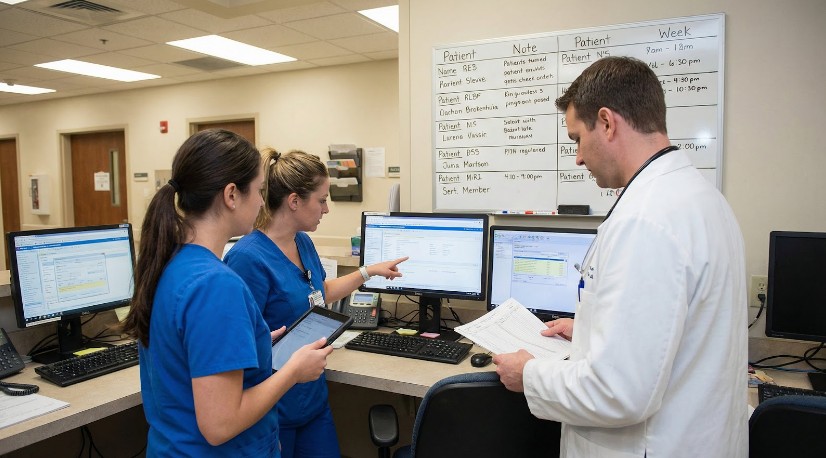
Accurate patient identification underpins every clinical and administrative workflow. When patient records are mismatched, errors do not stay contained. Instead, they spread across care delivery, billing, compliance, and reporting, creating system-wide risk.
Because every action in an EHR depends on linking data to the correct individual, even small identification errors can disrupt decision-making, reduce data integrity, and slow operations. As healthcare systems grow more complex and interconnected, the impact of these errors continues to increase.
Accurate patient identification ensures:
-
Clinicians access the correct medical history, medications, and allergies, which helps prevent serious medical errors such as incorrect treatments, wrong-site procedures, or missed diagnoses
-
Data remains reliable across systems, including AI and interoperable platforms, ensuring complete patient histories are accessible and preventing fragmented or misleading insights
-
Claims are processed correctly, reducing denials and operational inefficiencies, while avoiding duplicate testing, administrative bottlenecks, and unnecessary costs
-
Systems remain secure, and patient data is protected, as strong identification reduces the risk of identity mix-ups and helps prevent unauthorized access or medical identity theft
-
Patients maintain trust and experience smoother care journeys, supported by accurate records, reduced wait times, and consistent interactions across providers
In short, strong identification practices do more than prevent errors. They enable safer care, improve data quality, protect revenue, strengthen security, and enhance the patient experience across the entire healthcare ecosystem.
The Office of the National Coordinator for Health Information Technology (ONC) highlights patient matching as a core requirement for effective health IT. Without it, even advanced systems create risk instead of value.
Because of this, healthcare leaders must treat identification as a strategic priority, not just an IT task.

The Risks of Poor Patient Identification
When identification fails, both patients and organizations suffer. These risks appear in clinical care and financial performance.
Patient Safety Risks
First, incorrect identification leads to serious medical errors. These include:
-
Wrong-site procedures
-
Incorrect medications
-
Missed allergies or diagnoses
In fact, the ECRI Institute consistently ranks identification errors among the top patient safety concerns.
Consider a simple scenario. Two patients share a similar name and birthdate. If staff confuse their records, one patient may receive the wrong medication. Meanwhile, the other may miss a critical test result.
Clearly, these errors are preventable. Strong verification processes reduce risk and improve care outcomes.
Financial and Operational Impact
Identification errors create financial strain.
For instance, hospitals lose about $1.2 million each year due to denied claims linked to misidentification. In addition, duplicate records slow down operations. Staff must spend hours reviewing and correcting data.
As a result, teams lose time that could support patient care or strategic work.
Furthermore, poor data quality weakens analytics and reporting. It also limits population health efforts. By improving identification processes, organizations can reduce these inefficiencies and strengthen performance.
How EHR Systems Contribute to Identification Challenges
Several issues drive identification problems across healthcare systems.
-
Inconsistent data entry: Staff may enter names differently, such as "Bill" instead of "William." These variations create duplicate records.
-
Siloed systems: Different departments often use separate systems. Without strong integration, patient data becomes fragmented.
-
No universal identifier: The U.S. still lacks a national patient identifier. Therefore, organizations rely on matching algorithms and manual checks.
-
Weak data governance: Poor standards allow errors to grow over time, especially during system migrations or mergers.
Although these challenges are common, organizations can address them with the right strategy.
Best Practices to Improve Identification Accuracy
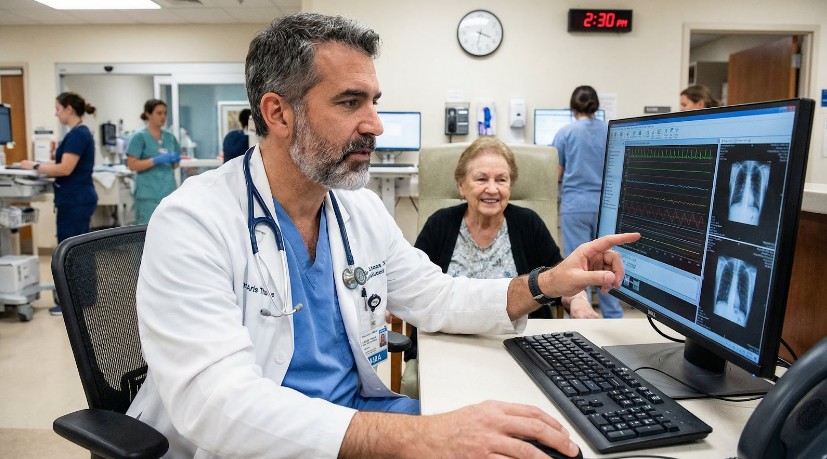
Healthcare organizations can strengthen EHR patient identification accuracy through a combination of technology and process improvements.
-
Use Referential Matching
-
Standardize Registration Workflows
-
Add Biometric Verification
-
Perform Regular Data Audits
-
Strengthen MPI Management
-
Work With Integration Experts
Together, these steps create a more reliable and flexible approach.
How Many Identifiers Are Needed for Accurate Matching?
Most healthcare organizations follow a minimum two-identifier verification standard, as required by The Joint Commission's National Patient Safety Goals.
Common identifiers include:
-
Full name
-
Date of birth
-
Medical record number
-
Address
However, two identifiers often fall short in large systems. Data may be incomplete, inconsistent, or duplicated.
Because of this, many organizations now use probabilistic matching. This method evaluates multiple data points at once, which improves accuracy.
In addition, aligning with enterprise master patient index (EMPI) best practices helps organizations reduce duplication and strengthen matching performance.
The Role of Interoperability in Patient Identification
Interoperability is beneficial to the healthcare industry since it is the connective tissue that holds modern healthcare data infrastructure together. Without seamless data exchange, patient records remain fragmented across systems.
When interoperability is achieved:
-
Patient data flows across EHRs, labs, and payer systems
-
Matching algorithms access more complete datasets
-
Duplicate records are reduced
Standards like HL7 FHIR and API-based integrations enable real-time data exchange, improving both accuracy and efficiency.
Iron Bridge enables this transformation through cloud-based integration solutions that eliminate infrastructure complexity and support interoperability.
Better interoperability leads directly to improved EHR patient identification accuracy and safer patient outcomes.
Why EHR Patient Identification Accuracy Matters More Than Ever
Healthcare continues to grow more complex. Systems expand, patient volumes rise, and data sources multiply. As a result, accurate identification becomes even more critical.
Organizations that invest in better matching tools, standardized workflows, and strong integration will gain a clear advantage. They will reduce risk, improve efficiency, and deliver better care.
Iron Bridge, one of the leading healthcare data integration companies in the US, supports this progress by providing cloud-based solutions that simplify integration and strengthen data accuracy across systems.
Turning Accuracy Into a Strategic Advantage
Accurate patient identification is no longer optional. It sits at the center of patient safety, financial performance, and operational success.
However, technology alone will not solve the problem. Organizations must take a proactive approach. They need to standardize workflows, strengthen governance, and connect systems through interoperability.
When these elements work together, the results are clear. Fewer errors. Cleaner data. Faster operations. Better outcomes.
Now is the time to act. Healthcare organizations that prioritize accurate identification today will lead the industry tomorrow.
To move forward, partner with experts who understand both data and healthcare complexity. Iron Bridge offers the tools and expertise needed to simplify integration and improve identification across your entire ecosystem.
Ready to improve EHR patient identification accuracy? Contact Iron Bridge today to learn how its solutions can enhance your data strategy.
Frequently Asked Questions
What is EHR patient identification accuracy?
It refers to how well a system matches patient data to the correct individual, ensuring safe care and accurate operations.
How common are duplicate patient records?
Nearly 20% of patient records contain duplicates, making EHR patient identification accuracy a major industry challenge.
What causes poor patient identification?
Inconsistent data entry, siloed systems, lack of a universal identifier, and weak data governance are primary causes.
What is the financial impact of misidentification?
Hospitals lose approximately $1.2 million annually due to denied claims and operational inefficiencies.
How can organizations improve EHR patient identification accuracy?
By using referential matching, biometrics, standardized workflows, data audits, MPI systems, and integration platforms like Iron Bridge.
Why is interoperability important?
It enables seamless data exchange, improving data quality and significantly enhancing EHR patient identification accuracy. Iron Bridge offers solutions to help healthcare institutions improve their interoperability, including the Pub Hub Electronic Lab Reporting platform.